PREMENSTRUAL SYNDROME OR LUTEAL PHASE DYSPHORIC DISORDER
25.06.2021
PREMENSTRUAL SYNDROME OR LUTEAL PHASE DYSPHORIC DISORDER
Instructions for men how to behave if your girlfriend has PMS. If it was not possible to leave the house, barricade the door, and if she still entered, then immediately silently run to the balcony and rush down. This is not suicide, you just increase your chances of survival.
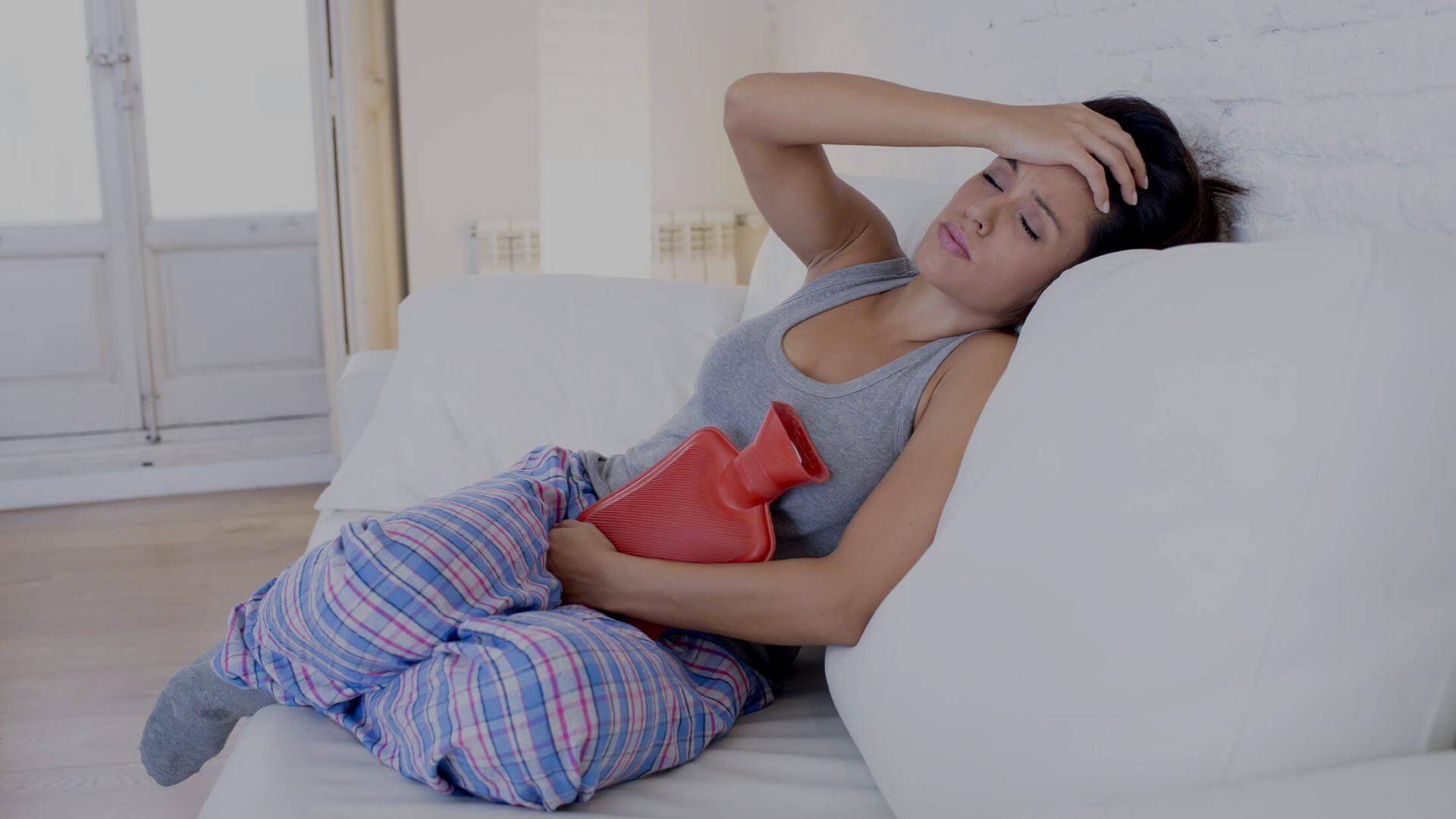
The most common manifestations of premenstrual syndrome are headache, sometimes reaching migraines, causeless irritability, depression, depression, problems with stool and urination, thirst, acne and other rashes on the face, swelling, desire for sweet and salty in uncontrolled quantities. Unfortunately, in such a situation, there is often little that depends on a woman, because these processes are regulated by her hormonal background. Of course, there are lucky women among us who have never experienced the charms of premenstrual syndrome in their lives, but most know exactly what we are talking about. By the way, in my practice, there were also men who calculated when their beloved would have menstruation. And exactly a week later, they began to pour sedatives into her tea and cajole her with chocolates.
WHAT IS PREMENSTUAL SYNDROME?
Premenstrual syndrome is a complex combination of regularly recurring symptoms that lead to an imbalance in the physical and psychoemotional state of a woman. It occurs in 7 out of 10 women aged 20-45 years. As a rule, it occurs cyclically several (on average 5-10) days before the start of menstruation. The peculiarity of PMS is that the number of symptoms is huge, and they are diverse.
Emotional and behavioral signs and symptoms: Vivid emotional manifestations, depression, irritability and in some cases aggression.
Physical signs and symptoms: Swelling and soreness of the mammary glands, vulvovaginal candidiasis or the so-called “thrush”, Edema and Insomnia. Also, increased appetite, and, accordingly, weight gain.
Simply put, these days some representatives of the fair sex turn into whiny-aggressive hungry furies.
THERE ARE CLEAR MEDICAL CRITERIA THAT EXPLAIN THE PHENOMENA THAT LEAD TO THE APPEARANCE OF PMS.
* Lack of certain sex hormones. One of the most important “female” hormones is traditionally considered to be progesterone-a steroid hormone that has a very wide complex effect on a woman’s body. Its lack in the second phase of the cycle is directly related to the occurrence of PMS. In the medical literature, the scientific name of this syndrome is: a progesterone defect in the luteal phase of the menstrual cycle or premenstrual dysphoric syndrome.
* Lack of sleep. If you do not get enough sleep, then the stress hormone cortisol begins to be produced by the body in increased amounts. Which, accordingly, causes a decrease in the hormone of healthy sleep and emotional well-being of progesterone. After all, both of these hormones are united by a single metabolic pathway in the adrenal glands. Therefore, even if three months ago you had a sufficient content of sex hormones in your body, then as a result of lack of sleep, you are guaranteed their insufficiency, and, as a result, PMS.
* Lack of B vitamins, especially B6. This problem most often affects owners of unhealthy intestines, or dysbiosis.
* Lack of magnesium. It can cause tachycardia and headaches.
* Estrogenic dominance (see Chapter 2 for more details) At the age of 30, a woman begins to gradually decrease the level of sex hormones. Most often, progesterone fades faster than estrogen. The distortion of the relationship of sex hormones is also influenced by environmental factors: fake estrogens (xenoestrogens). All these components lead to a state of estrogenic dominance.
RECOMMENDATIONS FOR PMS
Often women believe that PMS is for life. Not necessarily at all! Modern medicine has a wide range of possibilities for PMS therapy. These are vitamins and trace elements, hormonal recovery, physiotherapy, acupuncture and much more.
I note that women over 35 years of age with a pronounced PMS generally need regular monitoring by a functional medicine doctor. There is a high probability that they will have a difficult menopause.
Secondly, pay close attention to your menstrual cycle. If the cycle has begun to change, and both for shortening and lengthening – this is the first signal of a decrease in ovarian function. Be sure to contact a specialist.
The most effective way to check the work of the ovaries and adrenal glands is to pass a multi-steroid sex hormone test from the 18th to the 21st day of the cycle. To understand how your hormones are in balance, you can use the estrogen-progesterone ratio. Normally, the balance should be 1 to 300 in a 24-hour saliva analysis.Then a competent specialist will look at how you can help the patient. Someone will be recommended to compensate for the lack of trace elements, add vitamins and antioxidants. For example, a lack of vitamin D or Omega 3 can lead to a violation of the menstrual cycle and PMS.
If more gross deviations are found in the tests, the doctor carefully adds what the patient lacks. Someone is selected for monocomponent therapy. But it also happens the other way around, when it is necessary to balance the lack of all hormones.
PREVENTIVE MEASURES DURING PMS
1. First of all-get enough sleep! Healthy sleep until 23.00 is the key to a woman’s beauty.
2. Watch your weight. Eat a maximum of 3-4 times a day. Choose non-starchy vegetables, organic protein products, natural fats and greens.
3. Before menstruation, reduce the consumption of flour, salty and sweet. Exclude alcohol, strong tea and coffee.
4. Give up soy products. They introduce an imbalance in the female hormonal background.
5. Vitamin C in a dose of 1-2 grams per day increases the production of progesterone.
6. Saffron (Crocus Sativus) in a dosage of 15 mg 2 times a day helps to reduce the intensity of pain during menstruation, prevents the appearance of PMS.
Finally, a piece of advice to men. Do not look for logic in women’s words. Give your beloved a little more patience, love and affection during the days of PMS. Once again, show how much it is dear to you. Give some kind of gift, even if it is symbolic.
Begin with a Preliminary Medical Review
By Appointment Only