HORMONES AND ACNE. ANTINDROGENIC THERAPY
06.05.2021
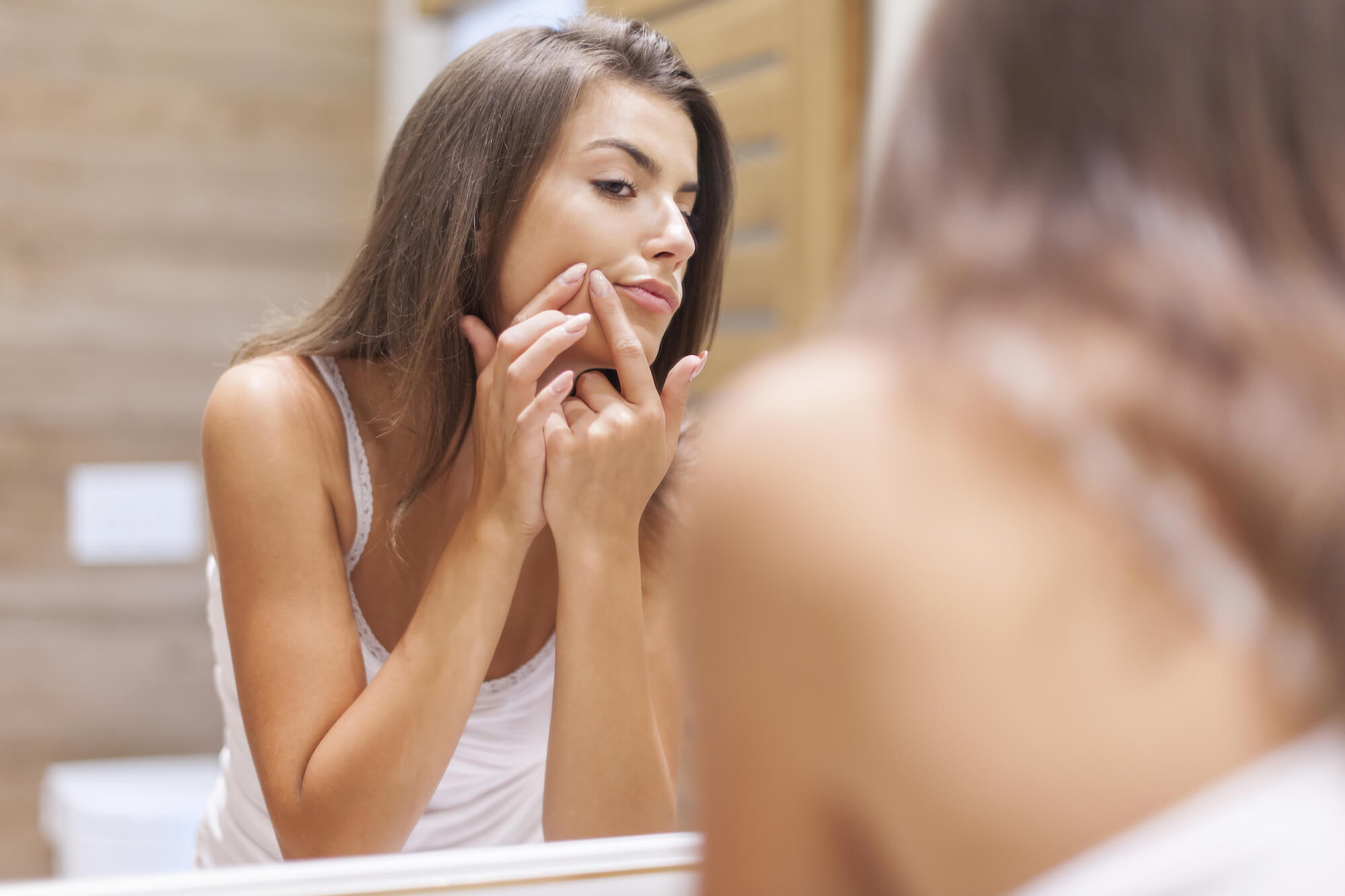
HORMONES AND ACNE. ANTINDROGENIC THERAPY
Unfortunately, acne is just as common a female problem as heavy menstruation. During puberty, acne can still be experienced, but for a 30-40-year-old woman, this problem can become a fate of fate.
For some, acne is constantly present, for others it is a periodically occurring phenomenon, undulating and worsening 7-10 days before the start of menstruation. The same “lucky” women who suffer from permanent acne, most likely, noticed that the skin becomes much worse about a week before menstruation.
REASONS
There are various hormonal components that lead to the formation of acne.
1. Increased levels of Dihydrotestosterone, one of the fractions of the hormone testosterone. Most often, this condition is observed in polycystic ovarian syndrome (I note that such girls are usually endowed with a higher IQ, since increased testosterone improves mental performance).
2. Menopause.
After the onset of menopause and the decline of ovarian function, some women may also change the estrogen / testosterone balance. An increase in the latter can lead to the formation of unpleasant rashes on the skin
3. Premenopause.
In young women of 35-45 years, long before menstruation stops, the level of estrogens in the skin begins to decrease, despite this, the percentage of testosterone remains at the same level, and as a result, a change in the balance of sex hormones – rashes occur.
4. Stress (lack of sleep, nervous at work or a quarrel with a loved one).
When you are under stress, elevated levels of the hormone DHEA can cause hormonal acne. On the other hand, the same stress can cause an increase in the hormone cortisol. The higher the level of the latter, the more sebum the skin cells produce (clogging the pores, thereby causing acne). Studies have shown that many women under stress are unable to effectively reduce cortisol levels, which can lead to chronic skin inflammation.
5. Lack of certain vitamins and trace elements. First of all, zinc, vitamin D3, C, etc.
DIAGNOSTICS
To begin with, I recommend that you find a doctor who has passed an additional specialization in Functional and Integrative Medicine. The doctor, after a detailed examination and examination, blood pressure measurement, will recommend you to pass a number of tests: for the levels of sex hormones, glucose, insulin, to exclude the deficiency of certain vitamins and trace elements. Do not be surprised if your doctor asks you to undergo a gynecological ultrasound.
Given the above, women and girls suffering from acne, first of all need to pass tests for following hormones:
1. Testosterone free and bound
2. DHT (Dihydrotestosterone)
3. DHEA (Dehydroepiandrosterone sulfate)
4. Estradiol
5. Androstenedione
6. Cortisol
7. Insulin
8. Thyroid hormones
TREATMENT
It is aimed at reducing the level of the hormone Dihydrotestosterone, restoring normal sebum production and narrowing the pores.
1. A diet with a low glycemic index.
Give up sweets and lead the most healthy lifestyle! Healthy eating is the first step towards treating hormonal acne in women. The quality of food can affect the hormonal background, especially in the presence of endocrine disorders. Give preference to fresh vegetables, fatty fish, nuts and oils (olive, coconut), seaweed.
2. No dairy products.
Cow’s milk increases the level of Dihydrotestosterone in the blood, one of the most aggressive androgens that lead to acne.
3. Stop worrying.
Chronic stress has never made anyone younger or prettier. So meditation, yoga, relaxation will be great helpers for you.
4. Stop smoking.
This addiction leads to an increase in the level of male sex hormones androgens in the fragile female body, thereby worsening acne.
5. Take vitamins and trace elements.
In the treatment of acne, you can also be very useful vitamins A, D, C, group B, especially vitamin B3/niacin, magnesium and zinc, as well as the amino acid taurine (its levels decrease during stress). Taking omega-3 unsaturated fatty acids helps to normalize the composition of sebum.
6. Take Saw Palmetto and Green Tea extract contain phytoesterols that help reduce Dihydrotestosterone levels.
7. Use creams with adapalene, retinoic acid and azelaic acid narrows the pores and normalizes sebum production.
HORMONES FOR YOUTHFUL SKIN
The hormones and symptoms of a deficiency:
Cortisol – Thin skin with stretch marks.
DHEA – Dry skin, age spots, decreased pubic hair growth in women.
Estrogens – Dry skin, the appearance of crow’s feet and vertical wrinkles above the upper lip.
Progesterone – The appearance of unwanted hair on the face and body.
Melatonin – Scars, scars, age spots, sunburn.
Testosterone – Pale skin, multiple wrinkles all over the face, on the forehead, decreased wound healing rate.
Growth Hormone – Deep wrinkles, nasolabial folds, double chin.
Thyroid hormones – Dry skin, puffy face especially in the morning, molar bags, pale skin, reduced growth of the outer third of the eyebrow.
Begin with a Preliminary Medical Review
By Appointment Only